Every stone we set is genuine diamond, whether the earth shaped it long ago or it was grown in a laboratory. Both share the same sparkle and the same remarkable hardness. What sets them apart is where they began, and that beginning shapes both rarity and price. Here is everything we would tell you across the table, so that the choice you make feels entirely your own.
01 · Origin
Natural & Lab-Grown
Two beginnings, one material. Each is diamond in every sense that matters.
Formed in the earth
Natural Diamond
Most natural diamonds crystallised some 150 to 200 kilometres down, beneath the oldest and thickest parts of the continents, where heat and pressure turned carbon into crystal. Many have waited there for more than a billion years; the oldest yet dated are about 3.5 billion years old. Rare and violent eruptions of kimberlite magma lifted some of them toward the surface, and those volcanic pipes remain an important place to find them today. Only around a third of the diamonds mined each year are fine enough to become gems, which is part of the quiet wonder of a natural stone. Because large, fine rough is especially scarce, prices climb steeply as carat weight rises.
Grown in a lab
Lab-Grown Diamond
A lab-grown diamond comes into being above ground, over days or weeks rather than across geological time. There are two ways to grow one. With HPHT (high pressure, high temperature), carbon is dissolved in molten metal under crushing pressure and crystallises onto a tiny diamond seed. With CVD (chemical vapour deposition), a carbon-rich gas is energised inside a vacuum chamber and carbon settles onto a thin diamond plate, building the crystal layer upon layer. The result is diamond through and through, with the same chemistry, structure and hardness as a mined stone. Telling the two apart generally takes specialist gemmological instruments rather than the eye alone. Lab-grown diamonds usually cost less per carat, so your budget can go toward a larger stone, a higher grade, or a more detailed setting.
Natural
Lab-grown
Origin
Most formed about 150–200 km deep; many are over 1 billion years old
Grown in days to weeks by HPHT or CVD
Composition
Crystallised carbon, the same in both
Hardness
10 on the Mohs scale, identical
Described by
Cut, colour, clarity and carat
Rarity
Scarce, especially in larger sizes
More readily available
Value per carat
Higher, rising steeply with size
Usually lower per carat
Certification
Ask us about grading and certification for any piece. We're happy to walk you through it.
Which is right for you?
There is no wrong choice. Some of our clients are moved by the thought of a stone that waited in the earth for an age. Others would rather see their budget become more size, a finer grade or a more intricate setting, and they choose lab-grown. Plenty of people love both. We are always glad to set them side by side, so you can compare them with your own eyes before deciding.
02 · Silhouette
Diamond Shapes
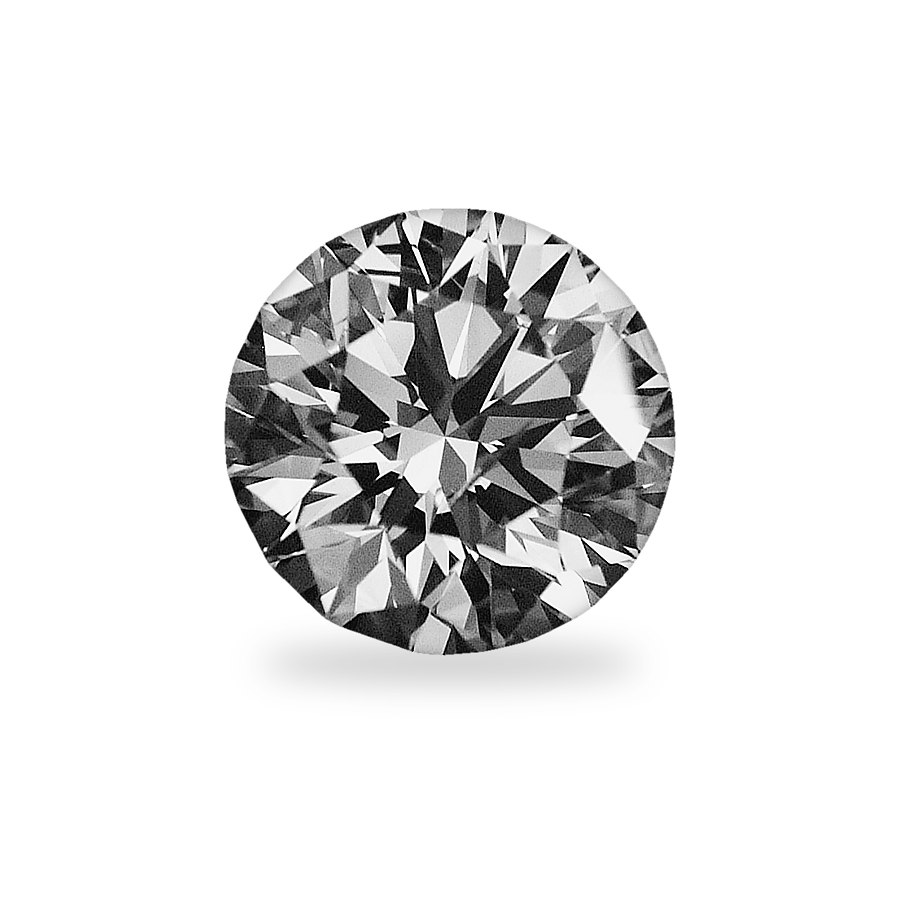
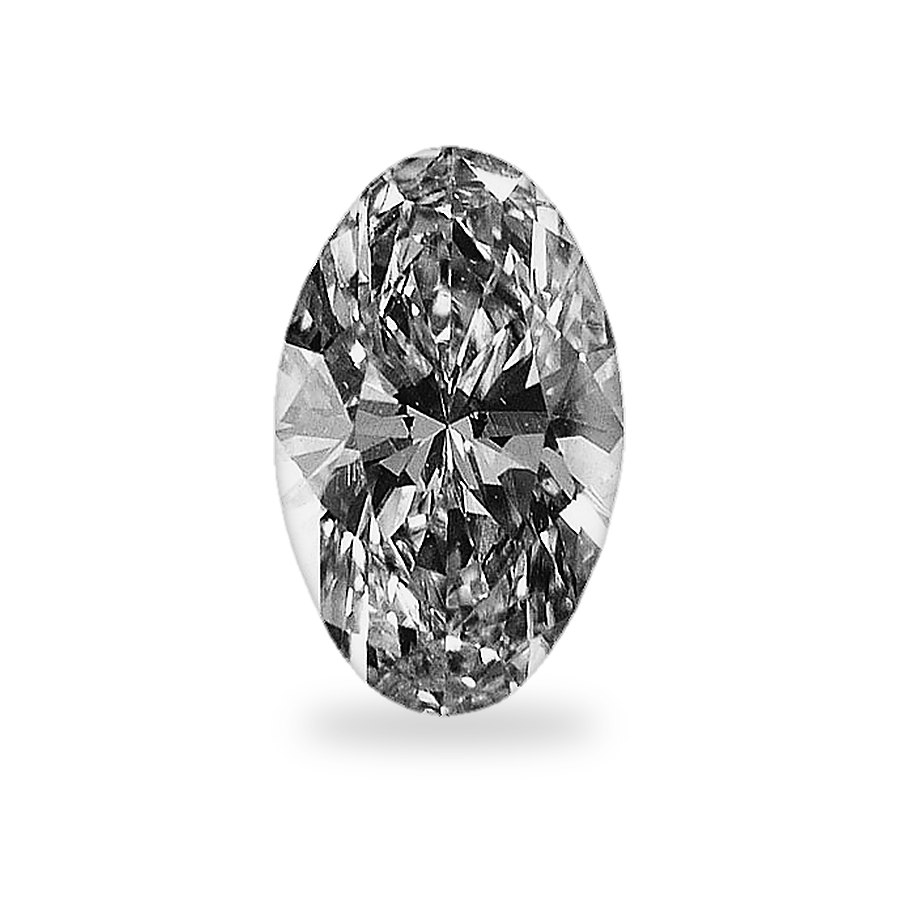
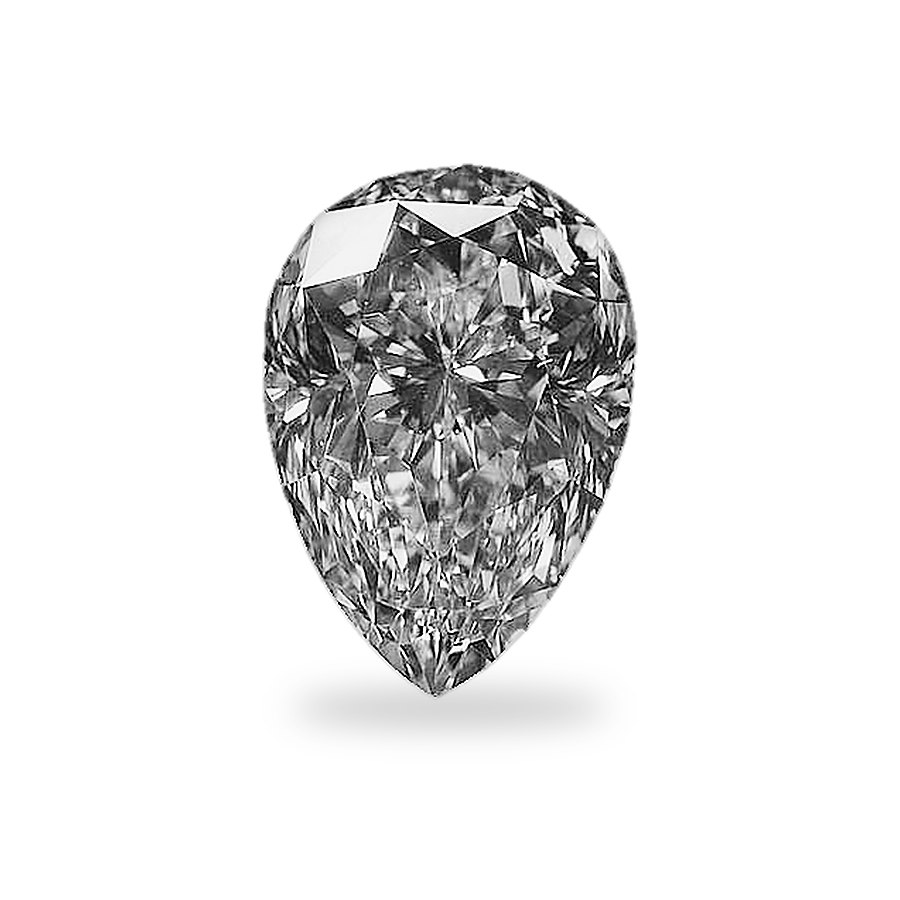
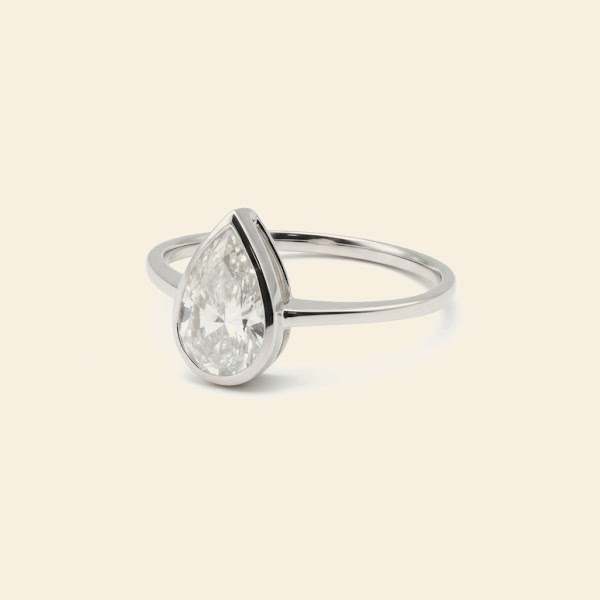
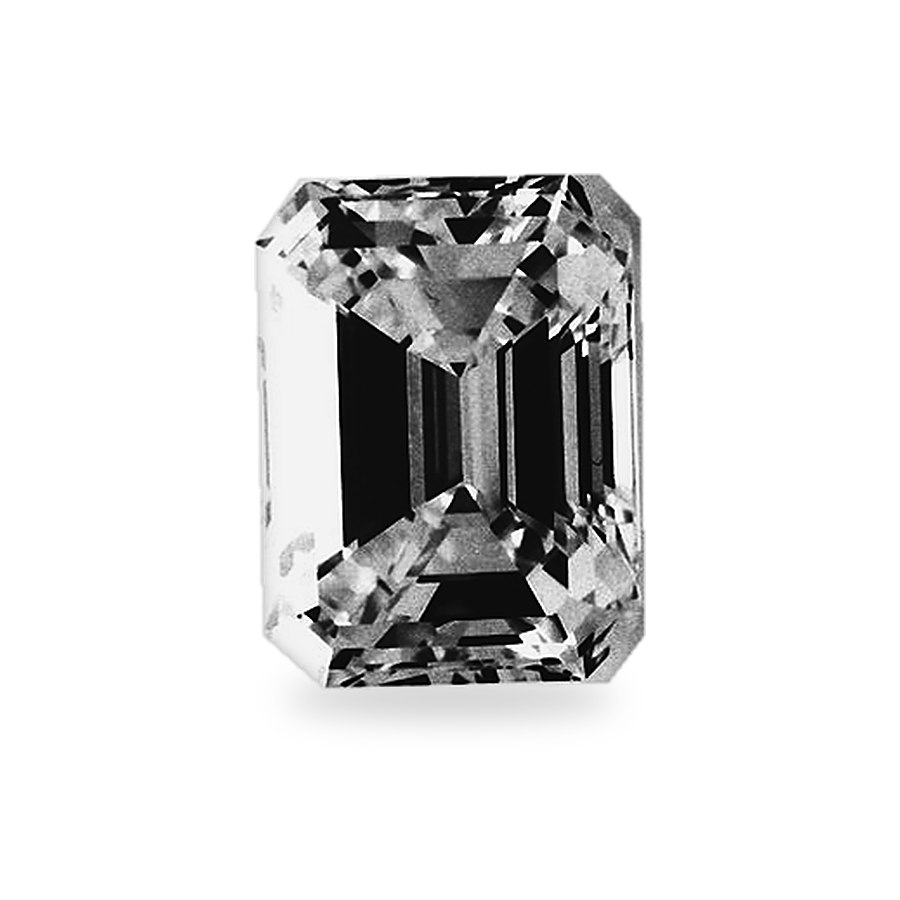
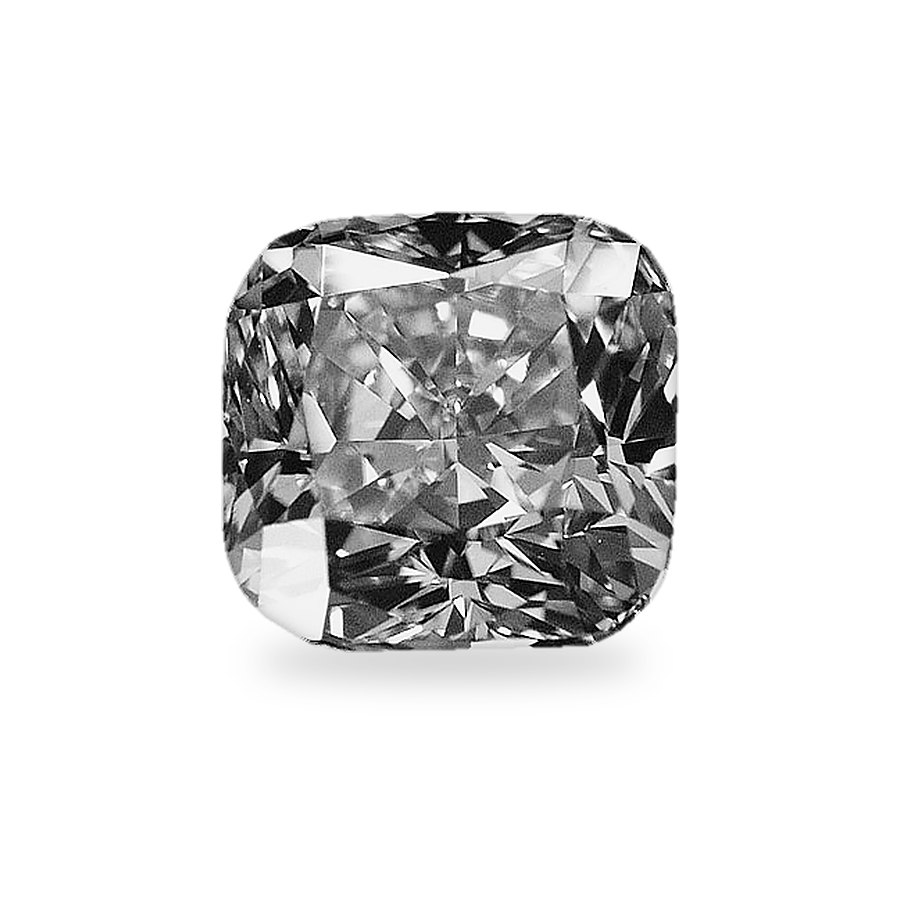
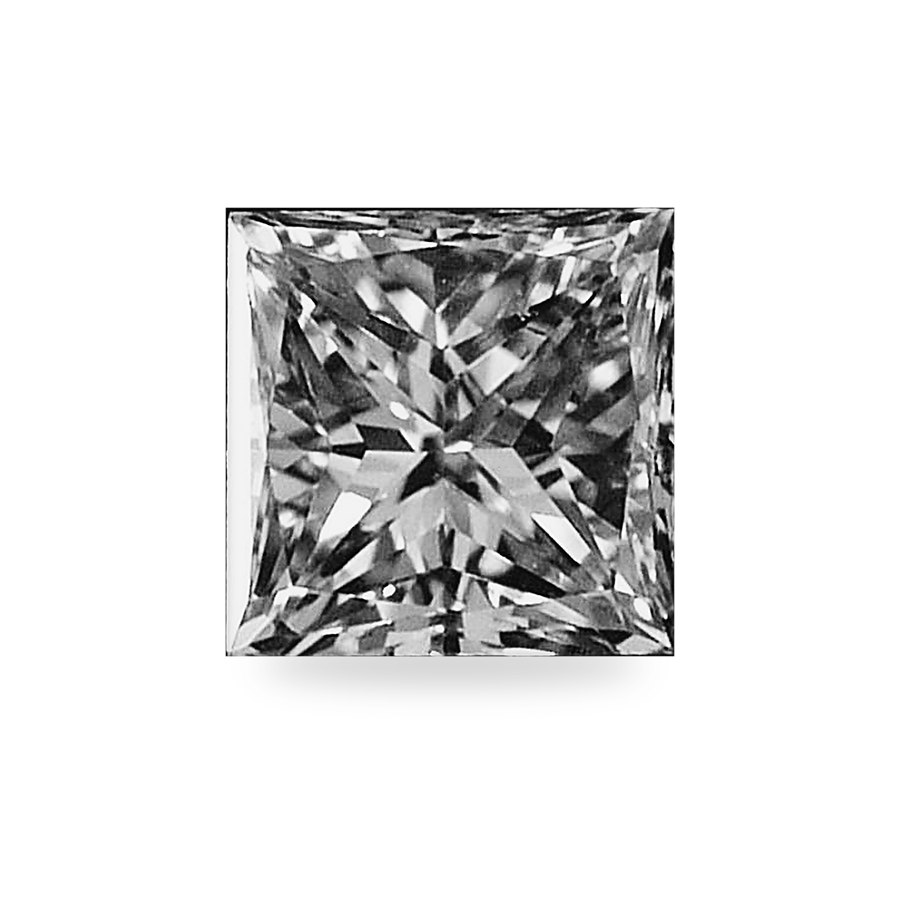
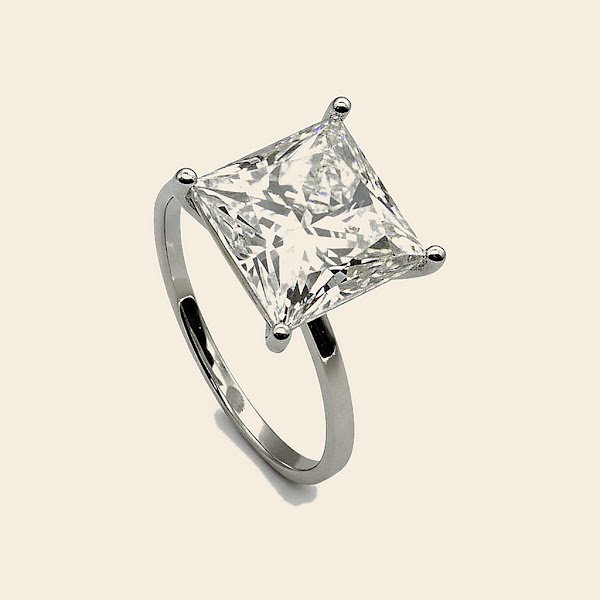
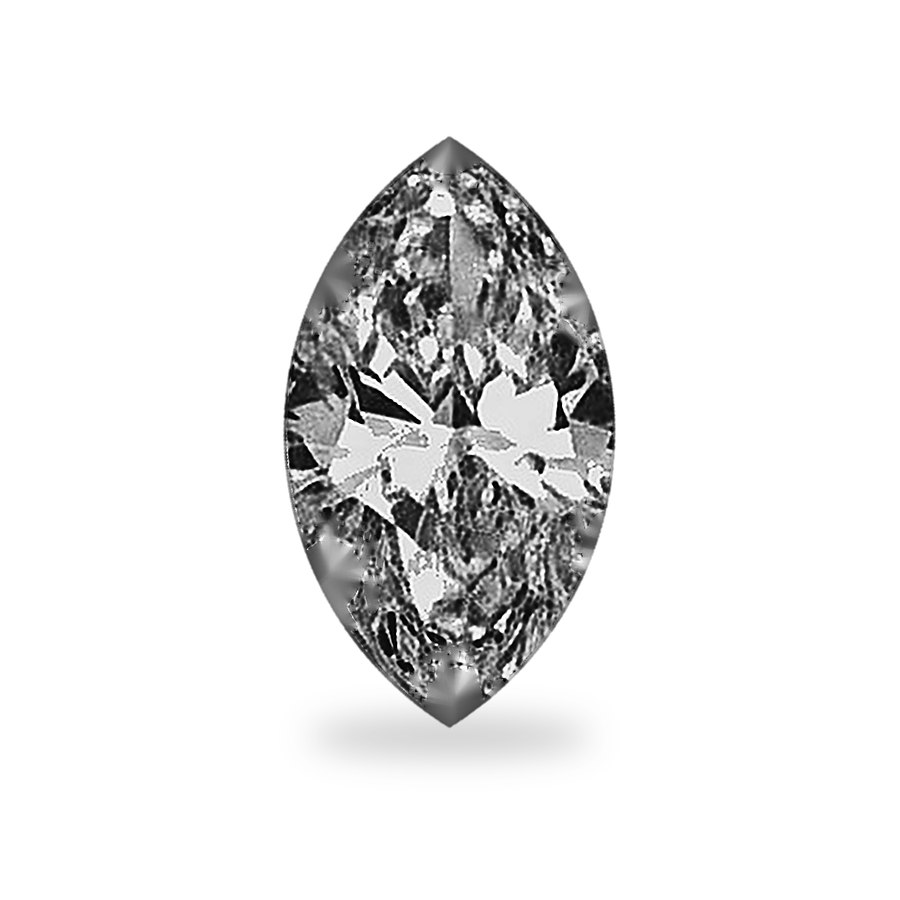
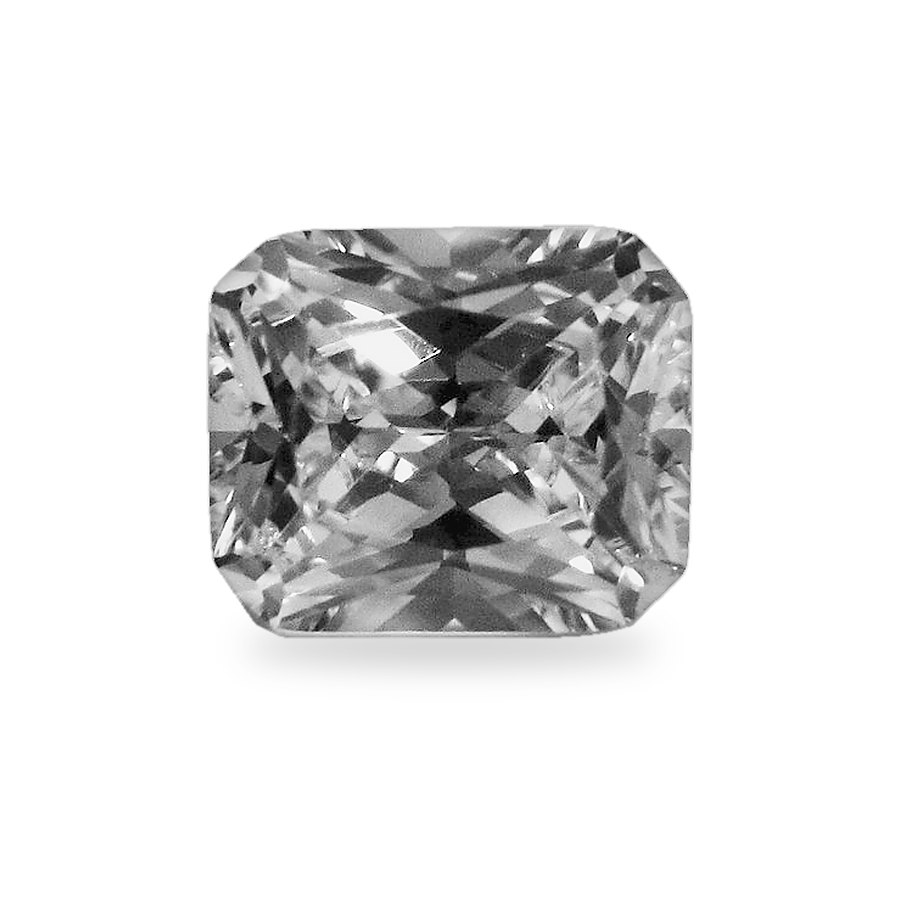
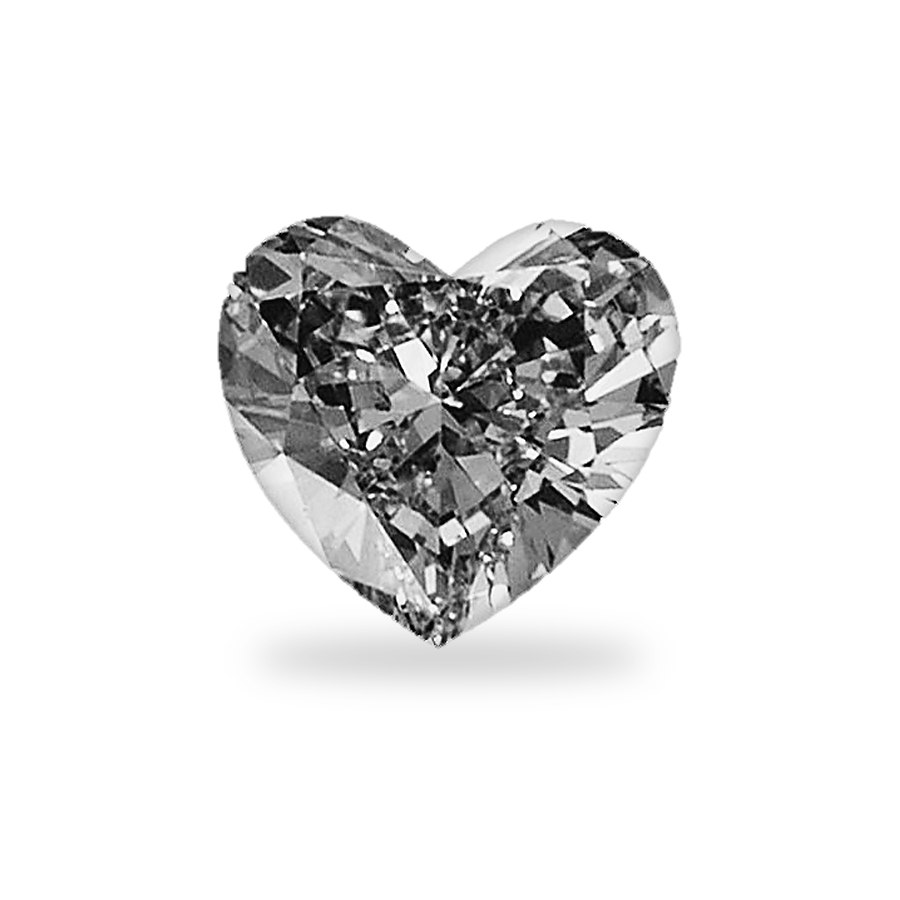
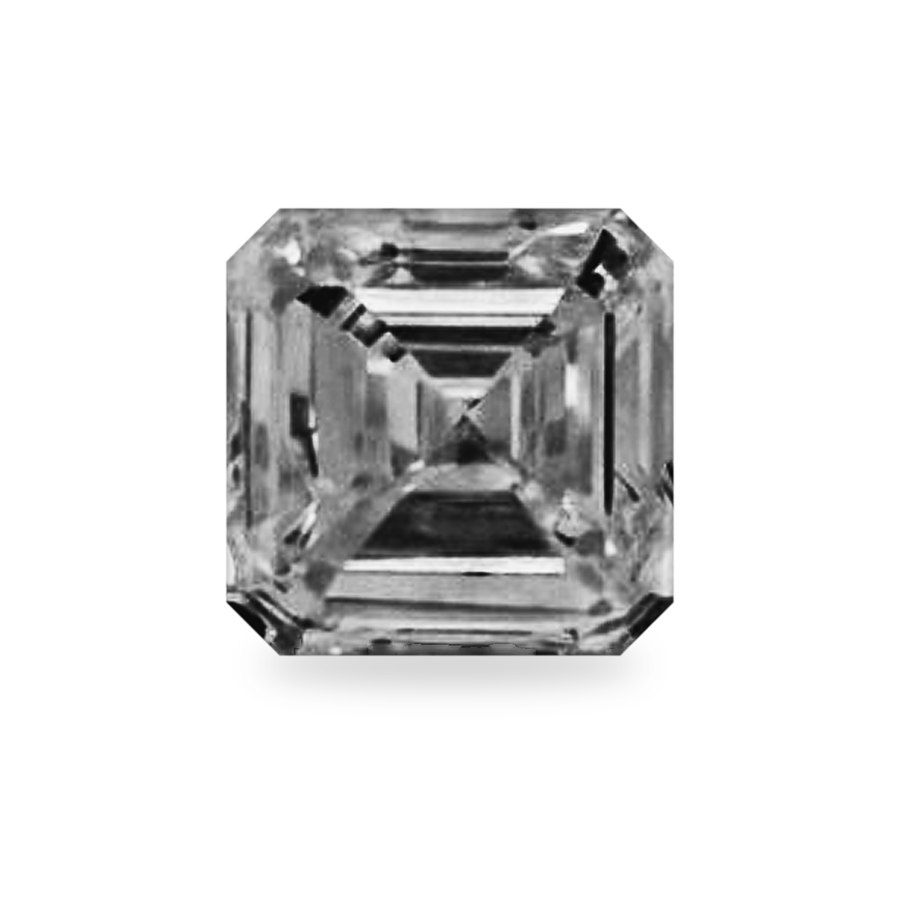
A diamond's shape is simply its outline seen from above. Each one plays with light, and sits on the hand, in its own way.
Photo · Darla Sondrol (GeoDIL) · CC0 · edited
Round Brilliant
The classic, faceted to gather and return as much light as possible
Cut, colour, clarity and carat weight are the shared vocabulary for describing a diamond. Some laboratories now use simpler descriptive terms on reports for lab-grown stones, so we will always walk you through the paperwork.
Cut
Cut describes how skilfully a diamond's facets have been angled and polished, and it shapes its beauty more than any other quality. When the proportions are right, light entering the stone is sent back up through the top as brightness, fire and sparkle. Cut a stone too shallow or too deep and some of that light slips away through the base instead. If you favour one C above the rest, let it be cut.
Colour
White diamonds are graded on a scale that begins at D, entirely without colour, and moves letter by letter toward Z as a soft yellow or brown tint appears. D to F are the rarest and iciest. G to J usually look white to anyone but a trained grader, which makes them a wonderful balance of beauty and value. A warm yellow or rose gold setting can make a slightly warmer grade feel perfectly at home.
Clarity
Almost every diamond holds tiny features within it, called inclusions, and sometimes small marks on its surface. Graders judge them at ten times magnification, yet many are far too small to notice with the naked eye. We look for stones that are eye-clean, meaning nothing distracts you when you simply look at them. That is where beauty and value meet.
Carat
Carat measures weight rather than size: one carat is a fifth of a gram, divided into 100 points. Two stones of equal weight can look quite different depending on their shape and proportions. Prices tend to step up at popular weights such as 1.00 ct, so a stone a few points lighter can give you much the same look for less.
04 · Setting
Metals
White GoldYellow GoldRose GoldPlatinum
We set our pieces in 10K, 14K and 18K white, yellow and rose gold, and in platinum. Pure gold is soft, so it is blended with other metals for strength and colour; the karat tells you how much of the blend is gold. 14K balances warmth and durability for everyday wear; 18K is our choice for pieces meant to be treasured.
Gold content by karat
10K
41.7% gold
14K
58.3% gold
18K
75% gold
24K is pure gold. 14K is often stamped 585 rather than 583, as many makers alloy it very slightly above the minimum.
05 · Fit
Sizing
Ring sizes
Size
Inside diameter
US 4
14.9 mm
US 4.5
15.3 mm
US 5
15.7 mm
US 5.5
16.1 mm
US 6
16.5 mm
US 6.5
16.9 mm
US 7
17.3 mm
US 7.5
17.7 mm
US 8
18.1 mm
US 8.5
18.5 mm
US 9
18.9 mm
US 9.5
19.4 mm
US 10
19.8 mm
Not sure of your size? We will gladly measure you during your consultation. Each piece is made to order in your chosen size and can't be resized afterwards.
Bracelets
Size
Inches
Centimetres
Petite
6"
15.2 cm
Small
6.5"
16.5 cm
Medium
7"
17.8 cm
Large
7.5"
19.1 cm
Extra large
8"
20.3 cm
To find your size, measure around your wrist just above the wrist bone with a soft tape or a strip of paper, then add about 1.5 cm (½") for a comfortable fit.
Necklace lengths
Available in 16" (40.6 cm), 18" (45.7 cm), 20" (50.8 cm) and 24" (61 cm). Where a chain falls varies with build; positions are a general guide.
ISO 8653:2016, Jewellery: Ring-sizes: Definition, measurement and designation. International Organization for Standardization. www.iso.org/search.html?q=8653
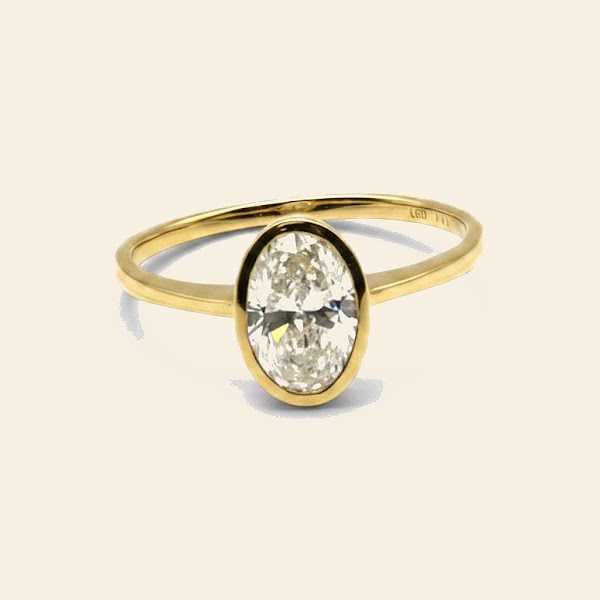
Diamond photographs via Wikimedia Commons, each edited by Alora & Co. (cropped, background removed and replaced with white, converted to neutral colourless tones, contrast and sharpness adjusted; the emerald is also rotated): round (source), heart (source), oval (source), cushion (source) and princess (source) by Darla Sondrol, Geoscience Digital Image Library, CC0 1.0; pear by Mario Sarto (source), CC BY-SA 3.0; emerald by Petra Gems (source), CC BY-SA 4.0; radiant by Paul Gian (source), CC BY 3.0. Our edited pear and emerald images are shared under the same CC BY-SA licences. The cushion and princess in the original photographs are yellow diamonds; they are shown here in neutral, colourless tones. The asscher and marquise photographs are Alora & Co. images (stones from our Carré Studs and Marquise Pavé Ring), edited the same way. “Shop this shape” photos are Alora & Co. pieces.